The Rise of Edge Computing
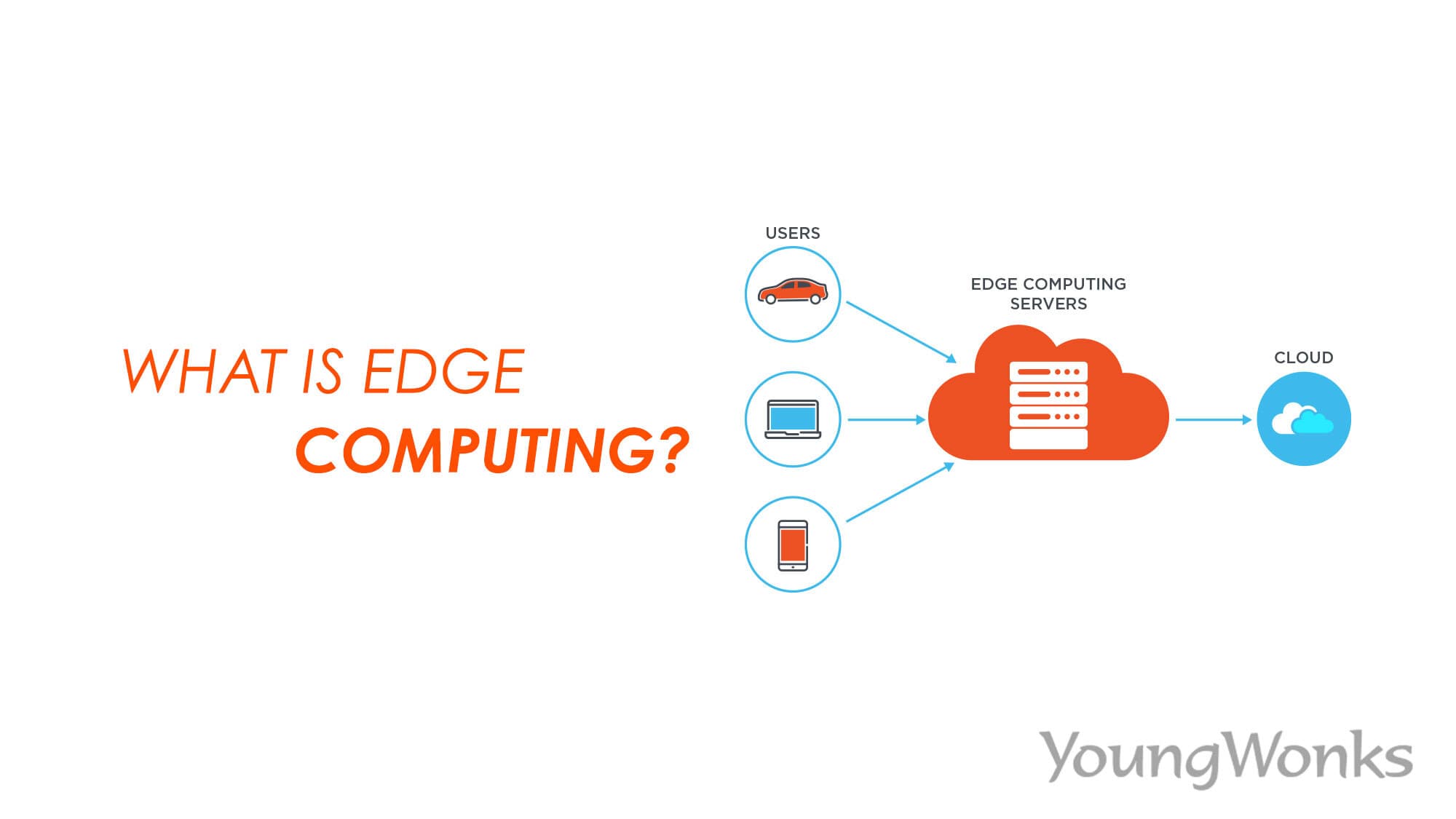
Edge computing is reshaping how we process and interact with data. Traditionally, data is sent to centralized cloud servers for processing, which can introduce delays and strain bandwidth. Edge computing, on the other hand, processes data closer to the source—on local devices or nearby servers—reducing latency and improving real-time responsiveness.
This shift is especially important for applications that require immediate decision-making. Consider autonomous vehicles, where a split-second delay in processing sensor data can be catastrophic. With edge computing, the vehicle can process data locally and make decisions faster than if it had to rely on the cloud.
Smart homes and industrial IoT devices also benefit immensely. Devices like smart thermostats or machinery sensors can analyze and react to data instantly, increasing efficiency and reducing dependency on constant internet connectivity.
Edge computing reduces the need to send all data to the cloud, which not only improves performance but also lowers bandwidth costs and enhances privacy. Sensitive data can be kept on the device, reducing the risk of breaches during transmission.
As 5G networks expand, the potential for edge computing grows. More devices will be connected, and more data will need to be processed in real time. Edge computing isn’t just a trend—it’s becoming an essential part of digital infrastructure. It’s the next step toward decentralized, intelligent systems that operate quickly, securely, and efficiently.