Building Scalable Web Applications
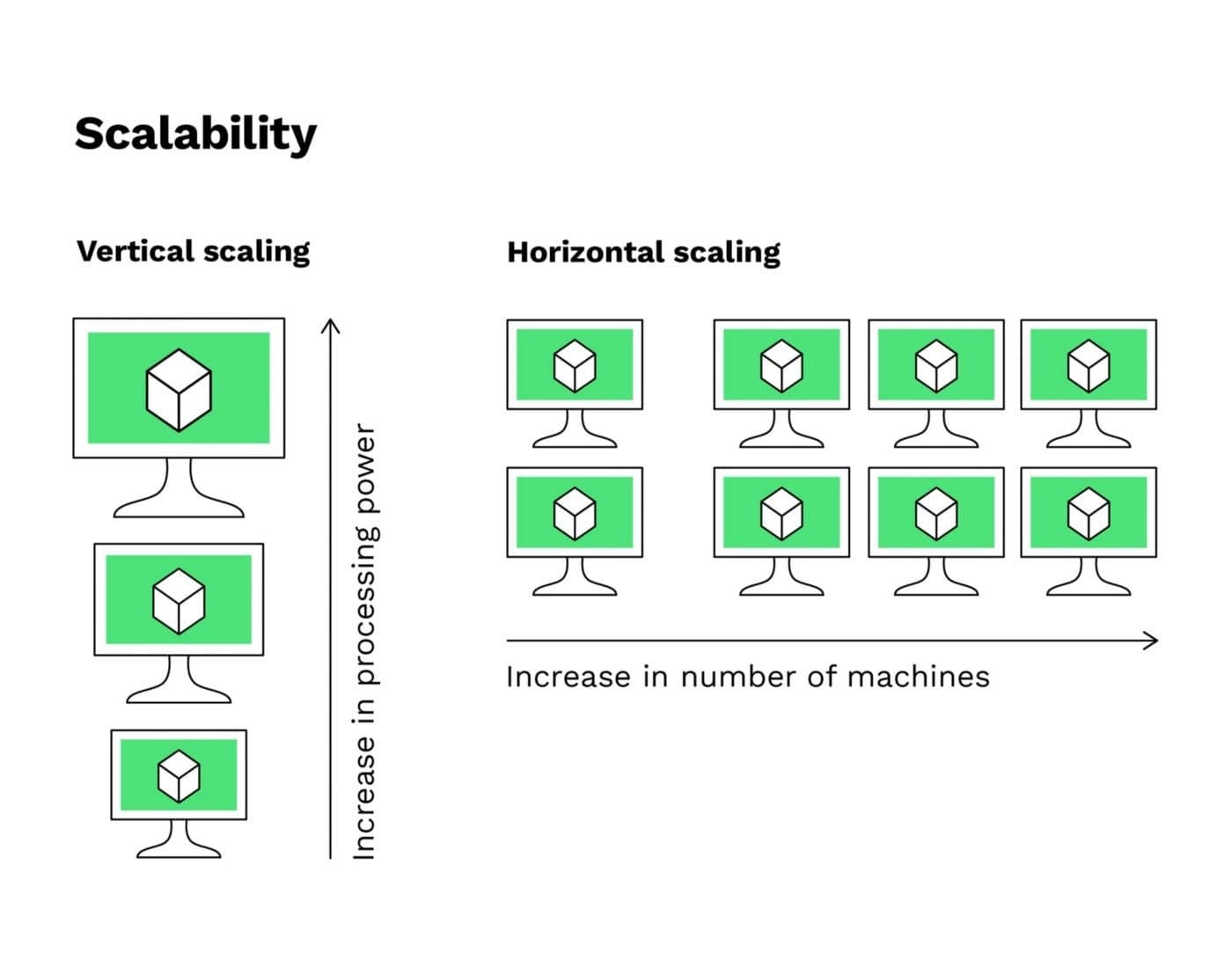
Scalability is a critical factor when developing modern web applications, especially as products gain traction and user bases grow. A scalable web application performs reliably under increasing loads without sacrificing speed or usability.
The first consideration in scalability is architecture. Monolithic applications may be easier to start with, but microservices and serverless architectures offer greater flexibility and growth potential. Microservices break down applications into smaller, independent services that can be deployed and scaled individually. This enables teams to work faster and isolate failures more effectively.
Database design plays a massive role too. Using indexing, caching, replication, and sharding can help your database manage large volumes of data and concurrent queries. Implementing Redis or Memcached for caching frequently accessed data is a common and effective practice.
Client-side optimization is equally important. Lazy loading components, code splitting, compressing images, and using Content Delivery Networks (CDNs) can drastically reduce load times, especially for global audiences.
Scalable apps also require a strong DevOps setup. Implement continuous integration and delivery (CI/CD) pipelines to test and deploy code automatically. Use monitoring tools like Prometheus, Grafana, or New Relic to detect issues before users do.
Ultimately, building scalable applications isn’t about anticipating massive traffic from day one—it’s about designing your system so that when that day arrives, you’re ready. Scalability ensures you can grow without having to rebuild everything from scratch.